

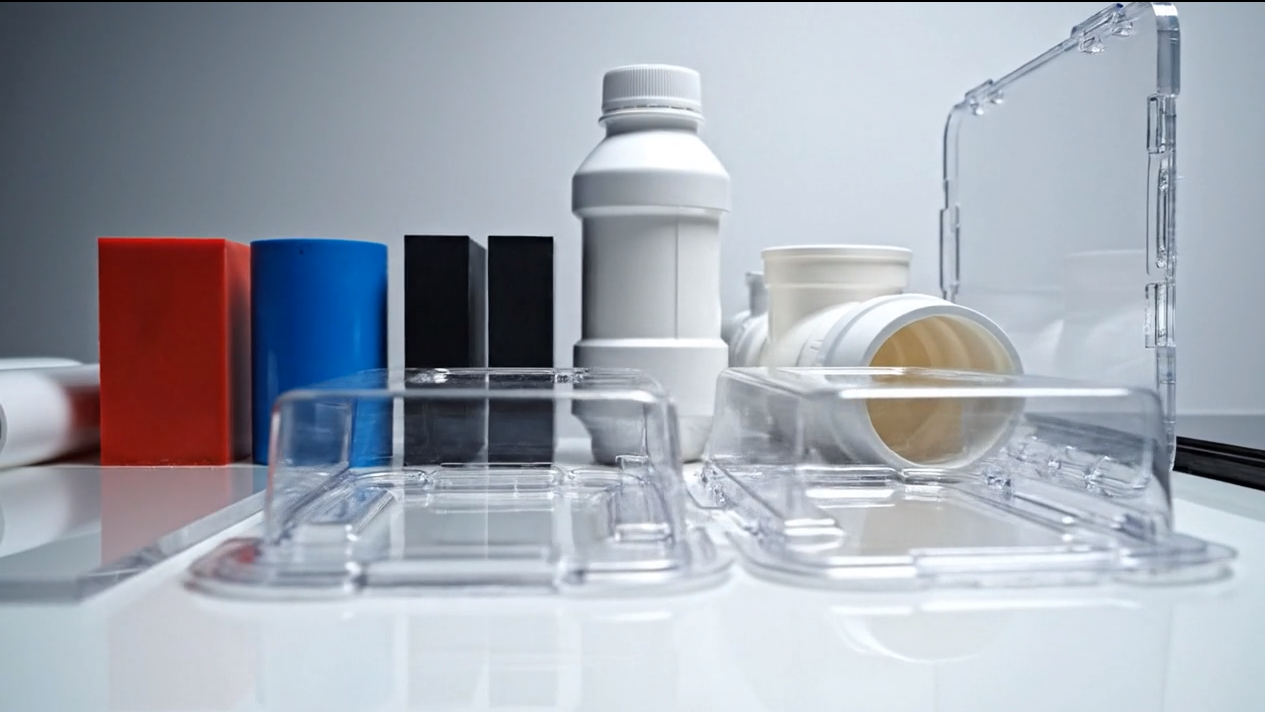
Plastics offer advantages across medical devices, electronics, transportation, and industrial equipment. They are lightweight, versatile, and available in formulations that provide everything from optical clarity to chemical resistance. However, the properties that make plastics useful can also make them difficult to bond.
A joint that initially appears strong may separate during handling, temperature cycling, or moisture exposure. Achieving reliable adhesion requires understanding the specific plastic, preparing its surface correctly, and selecting an adhesive suited to the application.
Why Are Plastics Difficult to Bond?
Low Surface Energy
One of the most common obstacles is low surface energy. Before an adhesive can form a reliable bond, it must spread across—or “wet”—the plastic surface. On difficult substrates such as polyethylene (PE), polypropylene (PP), and polytetrafluoroethylene (PTFE), many adhesives tend to bead up instead of making intimate contact.
Think of water droplets on a freshly waxed car. If an adhesive behaves similarly on plastic, its contact with the substrate is limited. Even an adhesive with excellent strength after curing can fail when adhesion at the interface is poor. These plastics often require surface treatment or adhesive formulations specifically developed for difficult substrates.
Contamination and Additives
The surface of a molded component may contain mold release agents, processing lubricants, fingerprints, or other contaminants. These materials can create a weak boundary layer, causing the adhesive to bond to contamination rather than the plastic itself.
Plastic formulations also vary. Fillers, pigments, and other additives can change surface behavior, so two parts identified as the same polymer may respond differently to an adhesive. Surface condition must therefore be considered alongside the material name when developing a bonding process.
Chemical Sensitivity and Stress Cracking
Some plastics are vulnerable to the cleaners or adhesives used during assembly. Certain combinations can cause softening, swelling, crazing, or stress cracking, particularly when molded parts contain residual stress.
A cleaner that works well on metal may damage a transparent plastic housing. Compatibility testing should include actual production components because their processing history and stress levels can influence the result.
Surface Treatment Options for Better Adhesion
Surface preparation can remove contamination, modify surface chemistry, or create a more favorable surface for adhesive contact. These treatments serve different purposes, and the best process may combine more than one.
- Cleaning

- Cleaning is the foundation of reliable bonding. Oils, dust, and processing residues can interfere with adhesion even when the plastic is otherwise relatively easy to bond.
- Use a cleaning method approved for the specific resin and adhesive system. Depending on the application, this may involve an aqueous cleaner or a compatible solvent. Allow the surface to dry fully and avoid touching it afterward.
- Solvent selection requires care: a solvent that removes contamination effectively can still damage the substrate. Always check compatibility before applying a cleaning process to production parts.
- Mechanical Abrasion

- Light sanding or another controlled abrasion process can remove weak surface material and create texture that helps some adhesives establish a stronger bond. Abrasion is often considered when bonding rigid plastic components.
- However, roughening a surface does not automatically solve a surface chemistry problem. Polyethylene and polypropylene may remain difficult to bond after sanding. Abrasion can also change dimensions, affect appearance, and leave debris that requires removal. Its effectiveness depends on both the substrate and the adhesive.
- Plasma Treatment

- Plasma treatment uses an energized gas to modify the outermost surface of a plastic. Depending on the process, it can remove light organic contamination and introduce chemical groups that improve wettability and adhesion.
- Atmospheric plasma can be integrated into an assembly line, while low-pressure plasma treats components inside a chamber. Treatment conditions must be matched to the material and geometry. Gas chemistry, exposure, and access to the bonding area all influence effectiveness.
- Corona Treatment
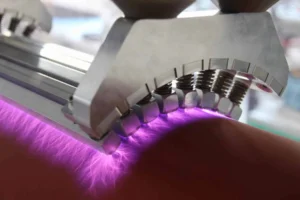
- Corona treatment uses an electrical discharge to activate a plastic surface. It is widely associated with films, sheets, and similar continuous materials that need improved adhesion for printing, coating, or bonding.
- Like plasma treatment, corona modifies surface chemistry rather than simply adding roughness. Results depend on treatment uniformity and the suitability of the equipment for the part being processed.
- Flame Treatment
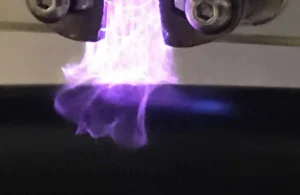
- Controlled flame treatment can improve adhesion by oxidizing a plastic surface. It can be useful for low surface energy materials, including some polyolefin components.
- The process requires controlled exposure. Excessive heat can damage a part, while insufficient treatment may produce inconsistent activation. Flame treatment should be developed as a controlled manufacturing operation, with conditions established for the particular resin and component.
- Primers and Chemical Treatments
- Adhesion primers provide another route to improving difficult surfaces. A primer must be selected as part of a compatible substrate-and-adhesive system; it is not a universal treatment that improves every adhesive.
- Specialized chemical treatments are also available for challenging polymers. These processes modify the surface to make bonding more practical, but their suitability depends on the plastic and application. Some specialized acrylic adhesives can bond selected low surface energy plastics without a separate activation treatment or primer, potentially simplifying assembly.
Treatment Timing Matters
A treated surface may not retain its improved bonding characteristics indefinitely. The benefit of plasma, corona, or flame activation can decrease over time, making the interval between treatment and adhesive application an important process variable.
Manufacturers should establish an acceptable bonding window through testing and protect treated surfaces from contamination during handling and storage.
Build the Bonding Process Around the Application
Successful plastic bonding begins with identifying the exact material grade and understanding the conditions the finished assembly will encounter. Adhesive selection, surface preparation, and assembly timing should be evaluated together.
Test representative production parts under realistic operating conditions, including relevant temperature and chemical exposure. A strong initial bond is useful evidence, but dependable performance comes from a process that remains consistent throughout manufacturing and service.